The Naval History of Ice Cream
The Ban on Alcohol

In 1914, Secretary of the Navy Josephus Daniels banned all alcohol on Navy ships to increase safety and discipline with general order 99.
To compensate for the loss of daily spirit rations and keep spirits high, the Navy leaned heavily into ice cream as a universally beloved, non-alcoholic comfort food & coffee.
The Ice Cream Boom Fades
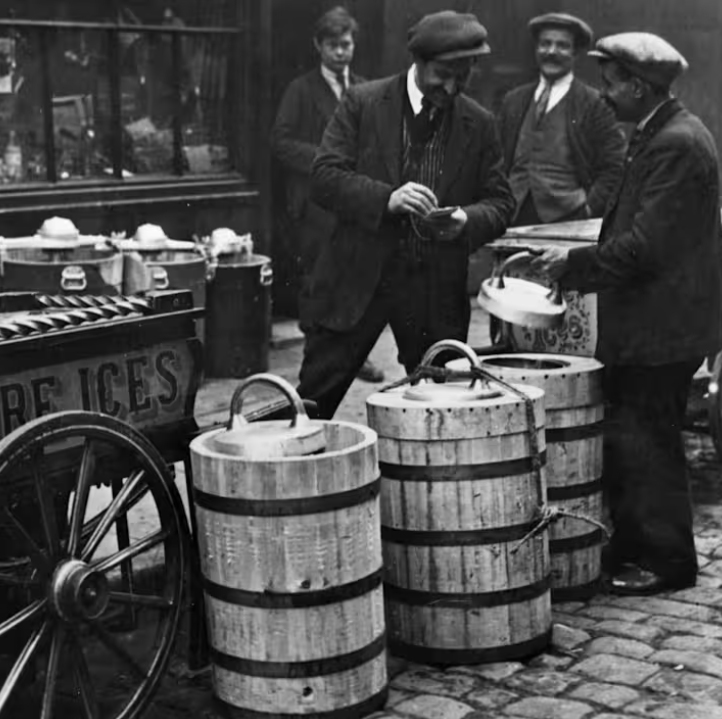
By the late 1920s and early ’30s, the ice cream industry was hit by a double whammy: the Great Depression and the repeal of Prohibition. After that, “World War II, with its quotas on milk and sugar, further dampened ice cream enthusiasm,” wrote Gail Damerow, the author of Ice Cream! The Whole Scoop. The industry surged again after the war, yet it was the spark of Prohibition and the temporary dismantling of one industry that helped elevate another to unprecedented heights—an impact that
forever changed the U.S. ice cream business.
World War II “Fighting Food”

During World War II, the Navy officially deemed ice cream a vital morale factor, treating it with high priority despite wartime rationing
The Navy spent $1 million to convert refrigerated, ferro-concrete barges (Barge, Refrigerated, Large or BRLs) into floating ice cream factories. Towed across the Pacific theater—including stops at Ulithi Atoll—these barges could pump out 10 gallons of ice cream every 7 minutes (roughly 500 gallons per shift) to supply smaller combat ships and Marines as sailors gave those barges the nickname of the ice cream barge
Precious Cargo

Large warships like aircraft carriers and battleships were outfitted with dedicated ice cream machinery and soda fountains.
During the 1942 Battle of the Coral Sea, abandoning crew members famously prioritized saving or scooping ice cream from the mess before the ship went down as they broke into the ship’s locked freezer, and drained every single ice cream
container dry, as the vessel was sinking from torpedoes. When official supplies fell short, Pacific pilots famously rigged makeshift metal ice cream churns to airplane wings, letting high-altitude freezing temperatures do the work during flight
Ice Cream the Morale Booster
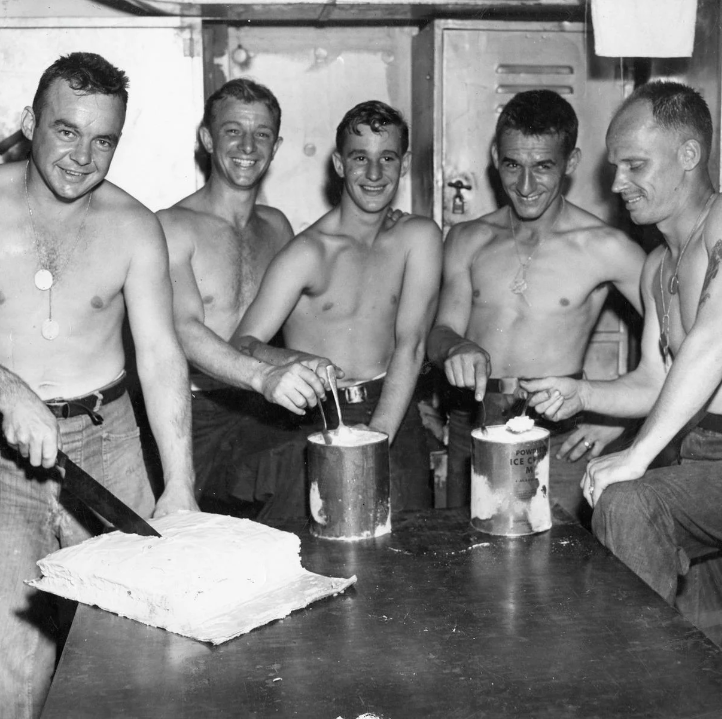
Growing up through Prohibition, American troops viewed ice cream as a
prime social and recreational substitute for alcohol (which had been banned on
Navy ships since 1914). Axis intelligence and leadership were heavily demoralized upon discovering the U.S. had entire logistics vessels dedicated to luxury treats while their own troops faced starvation.
Beyond WWII
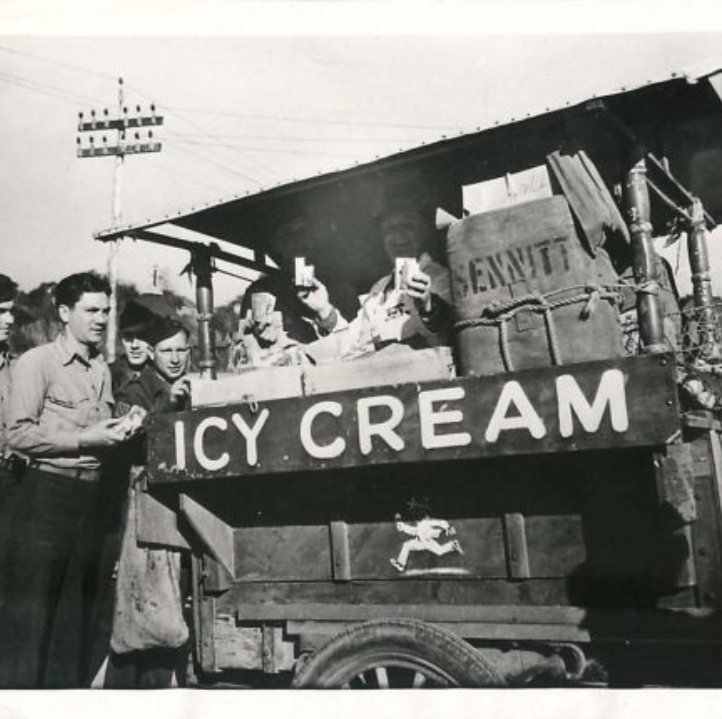
When the war ended, and dairy product rationing was lifted, America celebrated its victory with ice cream. Americans consumed over 20 quarts of ice cream per person in 1946. Even after ice cream’s WWII heyday, it was an intrinsic part of military life. During the Korean War, General Lewis B. “Chesty” Puller tried to convince the Pentagon that ice cream was “sissy food” and that soldiers would be tougher if fed more manly indulgences, namely beer and whiskey. The Pentagon responded with an
official statement ensuring soldiers were served ice cream a minimum of three times a week.
So why is ice cream such an important part of military service? We think it’s because it reminds us of better times, of home and the comfort that it brings. It invokes happy childhood memories and makes us feel good. So, this Memorial Day, lift up a spoon of
your favorite ice cream in memory of the many men and women who have served our nation.
From the Surface to Under the Sea
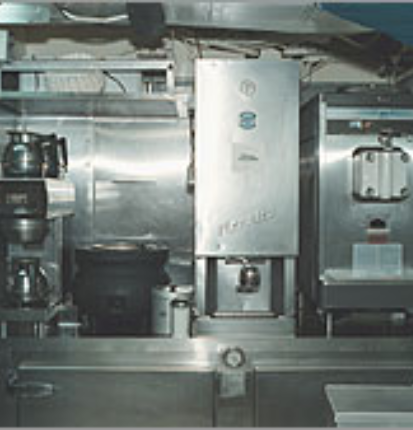
Submarine configuration thru the years ensured the necessities of an ice cream machine and a freezer full of hard pack ice cream to keep morale through long
deployments. You would see these machines next to the milk dispenser aka plastic cow and of course the coffee machine.
Maintained by the mess cooks and auxiliary division the machine received vigorous preventative maintenance to ensure longevity of this vital machine.
Ice Cream in the Fleet

To this day ice cream remained a powerful morale booster and a staple of the shipboard “Gedunk” (snack bar) to break up the monotony of weeks at sea